
- About
- Membership
- Learning & Events
- All Urology-Wide Calendar
- ASC Academy
- Annual Meeting
- Bladder & Kidney Cancer Academy
- Executive Leadership Program
- LUGPALearn CME
- Global Prostate Cancer Congress
- Medlive Virtual Crossfire Series
- Prostate Cancer Academy
- Regional / MidYear Meetings
- Urology Resident Summit & Job Fair
- Presentation Archives
- Future Events
- Health Policy & Advocacy
- Industry
- Residents
- Resources
- Newsroom
LUGPA Congressional Fly-In RecapJuly 21–22, 2026 Independent Urologists Return to Capitol Hill to Advance Medicare Reform, Protect Cancer Care, and Promote Competition in Healthcare LUGPA physician leaders representing independent urology practices from across the country traveled to Washington, D.C., on July 21–22 for LUGPA's second Congressional Fly-In of 2026.
Over two days, LUGPA physician leaders conducted nearly 30 meetings with Members of Congress and congressional staff to advocate for policies that preserve independent medicine, strengthen Medicare physician reimbursement, protect access to community-based specialty care, and promote competition throughout the healthcare system. The July Fly-In came at a pivotal time for federal healthcare policy. Congress continues to debate comprehensive Medicare physician payment reform while bipartisan momentum is building around 340B oversight, site-neutral payment policies, and protecting physician-administered cancer therapies. LUGPA members shared firsthand experiences caring for Medicare beneficiaries and demonstrated how current payment policies increasingly favor hospital systems over independent physician practices. This fly-in also reflected LUGPA's expanding advocacy footprint, bringing together physician leaders from independent urology groups representing practices across the United States. Advancing Sustainable Medicare Physician Payment LUGPA's top priority remained fixing Medicare's broken physician payment system. Members urged Congress to enact permanent Medicare physician payment reform by advancing the Provider Reimbursement Stability Act (H.R. 8163) while pursuing broader MACRA modernization that provides annual payment updates tied to the Medicare Economic Index (MEI). LUGPA also highlighted the recently introduced bipartisan Patients First Act (H.R. 9693), comprehensive legislation led by House Doctors Caucus leaders that would modernize the Medicare physician payment system by providing inflation-based payment updates, reducing administrative burden, replacing the current Merit-based Incentive Payment System (MIPS) with a more physician-led quality program, strengthening independent physician practices, and expanding opportunities for participation in value-based care. Together, these legislative efforts represent meaningful progress toward creating a more stable and sustainable Medicare payment system for physicians. Although Congress prevented another physician payment cut for 2026, CMS has proposed a reduction to the 2027 Medicare Physician Fee Schedule (MPFS), including a 1.68% decrease to the non-qualifying Advanced Alternative Payment Model (APM) conversion factor, underscoring the need for permanent physician payment reform. Additional policy changes, including proposed modifications affecting modifier 25 and the G2211 add-on code, could further impact physician reimbursement. Reimbursement continues to lag behind inflation and rapidly increasing practice expenses. Rising labor costs, technology investments, regulatory compliance requirements, and pharmaceutical acquisition costs continue to strain independent practices and threaten patient access to community-based specialty care. Physicians emphasized that meaningful physician payment reform is essential to preserving physician-led practices, slowing healthcare consolidation, ensuring Medicare beneficiaries continue to have access to high-quality, community-based specialty care, and reducing incentives for hospital acquisition of independent practices. Protecting Access to Community-Based Cancer Care LUGPA also advocated for passage of the Protecting Patient Access to Cancer and Complex Therapies Act (H.R. 4299), legislation designed to preserve patient access to physician-administered Medicare Part B medications. Under the bill, manufacturers of Part B drugs selected under the Medicare Drug Price Negotiation Program would provide a rebate to physicians for the difference between the Medicare negotiated payment amount and the physician’s acquisition cost. This would ensure providers are not reimbursed below their acquisition costs for these therapies, helping preserve access to advanced treatments in community-based physician practices and preventing unnecessary shifts in care to higher-cost hospital outpatient departments. Discussions focused on implementing the Medicare Drug Price Negotiation Program and the unintended consequences it could create for physicians who purchase and administer high-cost therapies.
LUGPA also discussed the recent increases in acquisition costs for several physician-administered medications, which illustrate the growing financial pressures independent practices face in delivering advanced therapies close to home. Continuing Momentum on 340B Reform and Site-Neutral Payment One of the strongest themes throughout the July Fly-In was growing bipartisan interest in reforming the 340B Drug Pricing Program and addressing policies that encourage hospital consolidation. LUGPA highlighted recently introduced legislation, including:
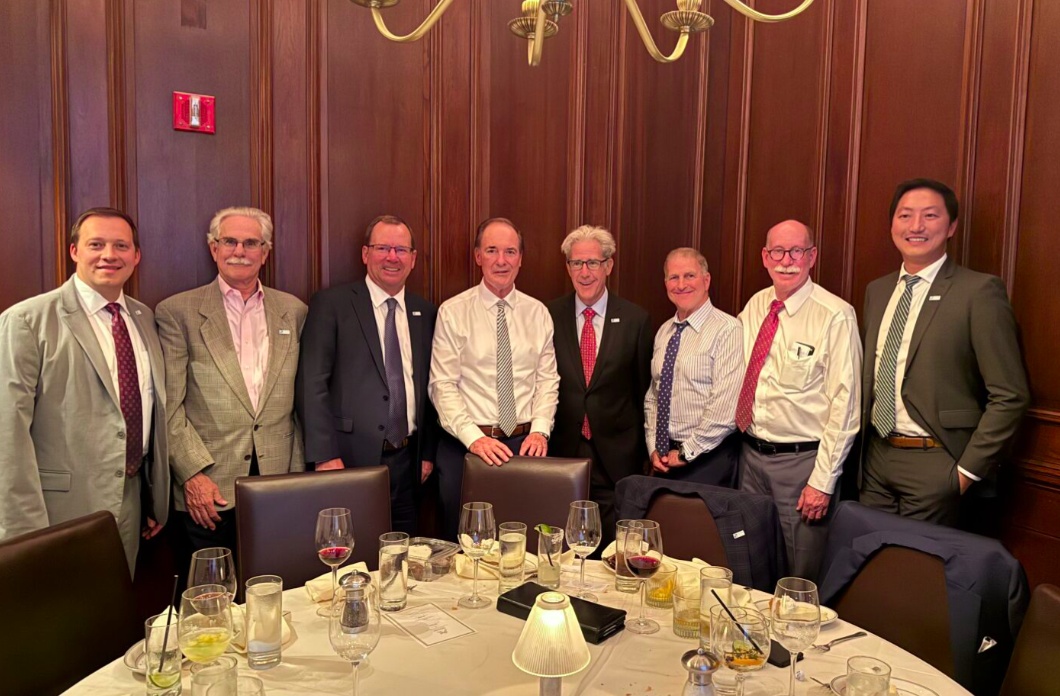
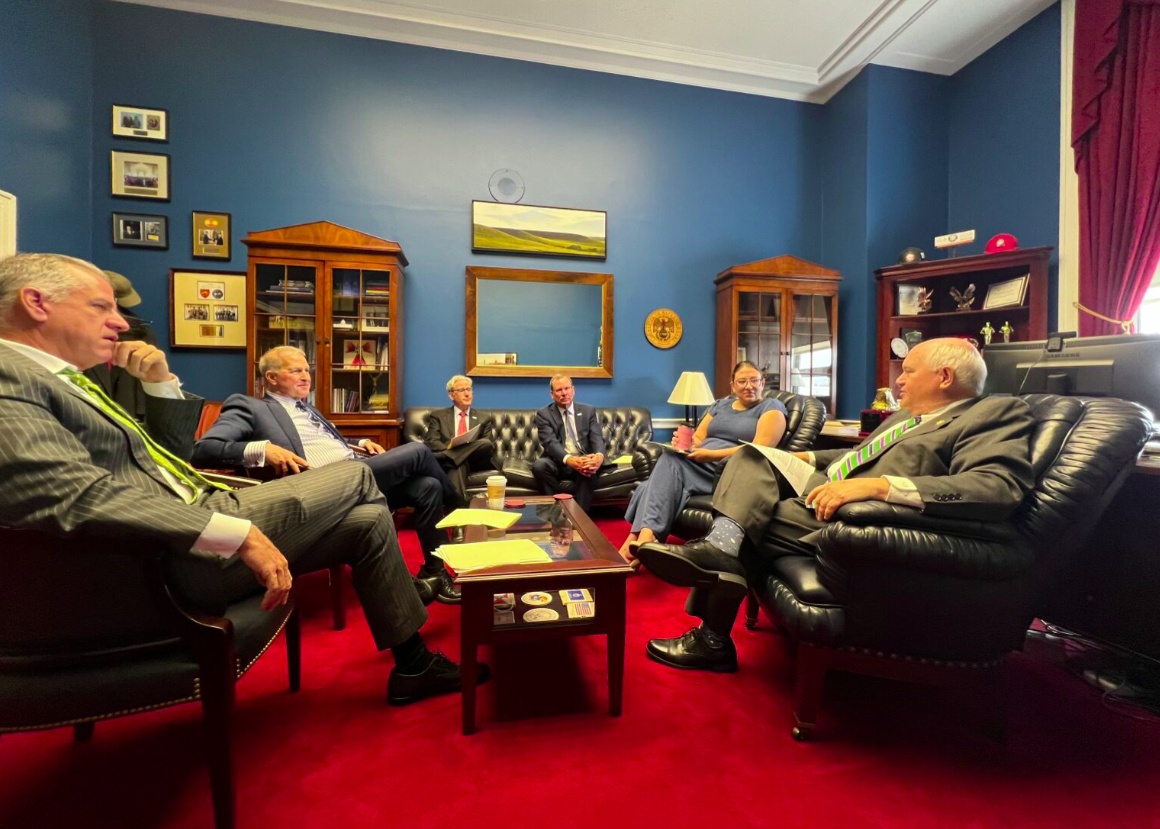
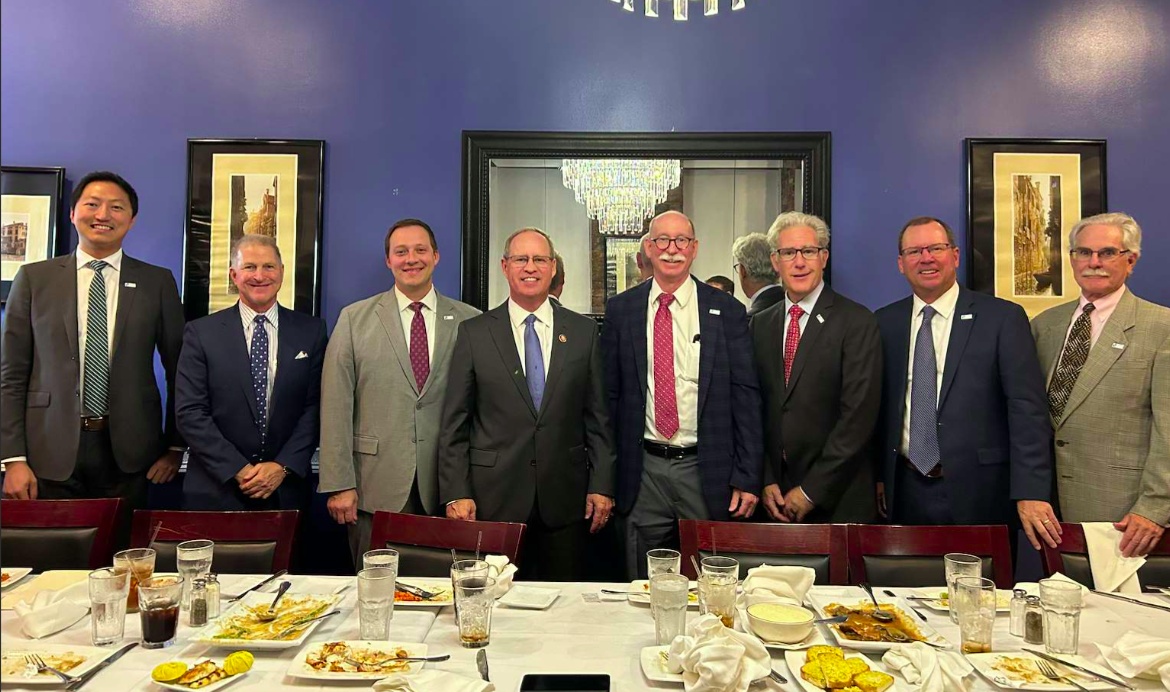
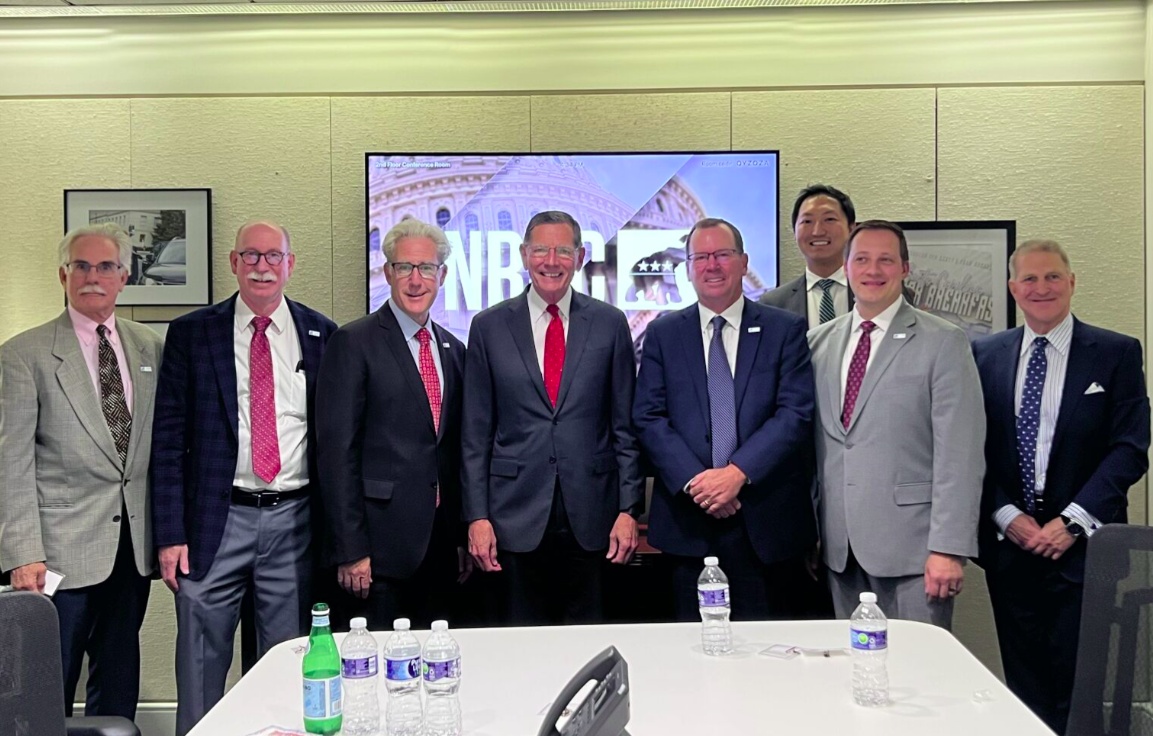
Members also encouraged Congress to continue expanding site-neutral payment policies, which would align Medicare payments for the same service regardless of whether it is furnished in a physician office or a hospital outpatient department. Physicians explained that current payment disparities incentivize hospital acquisition of independent physician practices, increase Medicare spending, and reduce patient choice. Members also discussed ongoing bipartisan efforts to increase healthcare price transparency, including proposals addressing ambulatory surgical centers (ASCs). LUGPA emphasized the importance of meaningful transparency policies that improve patient access to information while avoiding unnecessary administrative burdens that could limit competition and threaten independent practices. LUGPA remains engaged with policymakers to help ensure any transparency requirements achieve these goals. Congressional Meetings During the fly-in, LUGPA members met with: Events with Members
House Members
Senators
Participating Practices The July Fly-In was made possible through the leadership and participation of physicians from independent urology practices across the country, including:
Impact The July 2026 Congressional Fly-In continued to build momentum for LUGPA's advocacy priorities at a critical time for federal healthcare policy. As Congress considers comprehensive Medicare physician payment reform, increased oversight of the 340B program, and policies affecting physician-administered therapies, LUGPA ensured lawmakers heard directly from physicians on the front lines of patient care. By sharing real-world experiences from independent urology practices, members reinforced the importance of preserving access to community-based specialty care, reducing unnecessary administrative burden, and promoting policies that improve affordability without accelerating healthcare consolidation. These conversations strengthen relationships with congressional champions, educate policymakers on the real-world consequences of federal policy decisions, and position LUGPA as a trusted resource on issues affecting physician practices and Medicare beneficiaries. The July Fly-In also delivered tangible advocacy results. Following meetings on Capitol Hill and continued engagement with congressional offices, several lawmakers agreed to support LUGPA's legislative priorities by joining as cosponsors of key legislation. These successes demonstrate the value of sustained physician advocacy and the importance of building long-term relationships with policymakers. While many legislative commitments occur after Members and staff have had time to review requests, the July Fly-In helped generate meaningful momentum for LUGPA's advocacy agenda and laid the groundwork for additional congressional support in the months ahead. Next Steps LUGPA will continue working with Congress, federal agencies, and coalition partners to advance the priorities discussed during the July Fly-In. In the coming months, the association will:
LUGPA looks forward to continuing these conversations throughout the remainder of the 119th Congress. Your Participation Matters LUGPA's July Fly-In once again demonstrated the power of direct physician advocacy in shaping federal healthcare policy. These efforts are only possible because of the dedication of our members, whose expertise, leadership, and firsthand experiences help policymakers better understand the challenges facing independent physician practices and the patients they serve. We encourage all LUGPA members—and especially participants in our advocacy donor groups—to consider joining a future Congressional Fly-In. Your voice on Capitol Hill helps strengthen LUGPA's advocacy efforts, build lasting relationships with lawmakers, and ensure independent urology remains a strong and respected voice in national healthcare policy. If you are interested in participating in a future Washington, D.C., Fly-In, please contact Matthew Glans at [email protected]. Together, we can continue advancing policies that preserve physician independence, improve patient access, and strengthen the future of community-based urologic care. |

Announcements

Introducing LUGPALearn: Explore. Learn. Earn CME.
Learn about LUGPA's Training Course for Medical Assistants

Learn how to have your facility become a SRC/NAFC Center of Excellence In Continence Care for Women.
LUGPA groups will receive a discount on certification fees.
LUGPA members can login to access past content On Demand.